
Home › Conditions › Skin Quality › Texture & Scarring
Skin Texture and Scarring Treatment in Gangnam, Seoul
Quick answer: Texture and scarring concerns include enlarged pores, acne scars, rough skin and crepey skin. They are caused by oil production, past inflammation, sun damage and collagen loss. Violacell commonly uses Virtue RF microneedling, Triderm, the CO2 laser in selected cases and skin boosters, often in combination. Most programs need several sessions, with downtime ranging from none to about a week.
Medically reviewed by Dr. Kim Young-jun, Board-Certified Plastic Surgeon, Representative Director, Violacell Plastic Surgery · Last reviewed November 2026
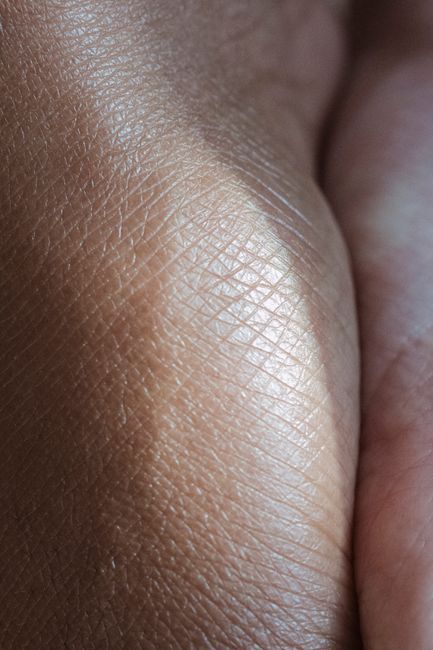
Texture and scarring at a glance
- What is included: Enlarged pores, acne scars, rough skin and crepey skin
- Who it suits: Adults with uneven, bumpy, scarred or thinning skin who want smoother texture
- Common causes: Oil gland activity, acne, sun damage, slow cell turnover, dehydration and collagen loss
- Downtime range: None for boosters; a few days for RF microneedling; up to a week or more for CO2 resurfacing
- Main treatments: Virtue RF microneedling, CO2 laser, Triderm, and skin boosters such as Juvelook, Rejuran, exosome and PDRN
- How to choose: Match depth and type of texture change to the right device and intensity
Why skin texture changes
Smooth skin reflects light evenly, which is why texture affects how healthy and youthful skin looks. Pores, scars, roughness and crepiness disrupt that surface. Some texture changes start in adolescence with oily skin and acne, while others develop gradually with sun exposure and age.
At Violacell in Gangnam, the doctors assess texture as part of an overall skin plan, because texture often overlaps with pigmentation, redness and laxity.
What causes texture concerns?
Active oil glands and genetics enlarge pores. Inflammatory acne damages collagen and leaves indented or raised scars. Sun exposure and slow cell turnover create a rough, dull surface. With age, collagen and elastin decline, so skin becomes thin and crinkly, which we describe as crepey.
Dehydration, smoking and harsh skincare can make every texture concern look worse. A good daily routine with gentle cleansing, hydration and sunscreen supports any in-clinic treatment.
How is texture assessed?
We examine your skin under angled lighting, which reveals depressions and irregularities that flat lighting hides. Scars are classified by type, such as rolling, boxcar or ice pick, because each responds differently. We also assess skin thickness, oiliness, active acne and pigment risk before choosing a device and settings.
How do we treat texture and scarring?
RF microneedling such as Virtue RF delivers radiofrequency heat through fine needles to remodel collagen with relatively short downtime, and Triderm helps with oiliness and texture. The CO2 laser is used for lesions and, in selected cases, stronger resurfacing. Skin boosters like Rejuran Healer improve hydration and fine texture. See all laser resurfacing options.
Concerns in this group
- Enlarged Pores: visible pores, usually on the nose and cheeks, linked to oil and loss of skin firmness.
- Acne Scars: rolling, boxcar and ice pick scars left by inflammatory acne.
- Rough Skin: uneven, bumpy or dry surface texture from sun damage and slow turnover.
- Crepey Skin: thin, finely wrinkled skin that looks like crepe paper.
Planning texture treatment from abroad
Texture programs usually need several sessions spaced weeks apart, so many patients start in Seoul and continue on later visits. Plan for a few days of redness after RF microneedling and longer after CO2 resurfacing. Read when can I wear makeup after laser? and our patient journey.
Which treatment fits this concern?
Every visit to Violacell starts with a free AI skin analysis. A Violacell doctor then designs a non-surgical plan for your face, with honest expectations.
Skin texture FAQ
Can acne scars and large pores be treated together?
Yes. RF microneedling often improves both scars and pore appearance in the same sessions, because both concerns respond to collagen remodeling. Your doctor may add skin boosters such as Juvelook or exosome to achieve a more even result.
How many sessions do texture treatments need?
Most texture programs need three or more sessions spaced around four weeks apart. Deeper scars may need more, sometimes combining different techniques. Improvements continue to develop for several months after the final session as collagen matures, so patience is part of the process.
What is the downtime for texture treatments?
Skin boosters have little downtime beyond small bumps. RF microneedling usually causes redness and mild swelling for a few days. CO2 laser treatment typically needs about a week of healing. Your plan will balance results with your available time in Seoul.
Are texture treatments safe for darker skin?
Many are, with careful settings. RF microneedling is often preferred for darker skin because it delivers energy below the surface, lowering pigmentation risk. Strict sun protection before and after treatment helps reduce the chance of post-inflammatory darkening, and settings are adjusted to your skin type.
Plan your visit to Violacell
3F, 138 Dosan-daero, Gangnam, a 4-minute walk from Sinsa Station Exit 1. Free AI skin analysis, a treatment plan designed by our doctors, and private single-room care. Call +82-2-518-9119 or message us on KakaoTalk.
Educational information only, not a substitute for a medical consultation. Suitability, downtime and results vary between individuals. Medical disclaimer