
Home › Treatments › Laser & Energy Skin Treatments › Laser Resurfacing
Laser Resurfacing in Gangnam, Seoul
Quick answer: Laser resurfacing removes or heats thin layers of skin to trigger renewal and collagen remodeling. At Violacell in Gangnam, CO2 laser is used for resurfacing acne scars and rough texture, and also to remove moles and small skin lesions. Expect several days to about a week of recovery after resurfacing; small lesion removal heals over one to two weeks.
Medically reviewed by Dr. Kim Young-jun, Board-Certified Plastic Surgeon, Representative Director, Violacell Plastic Surgery · Last reviewed November 2026
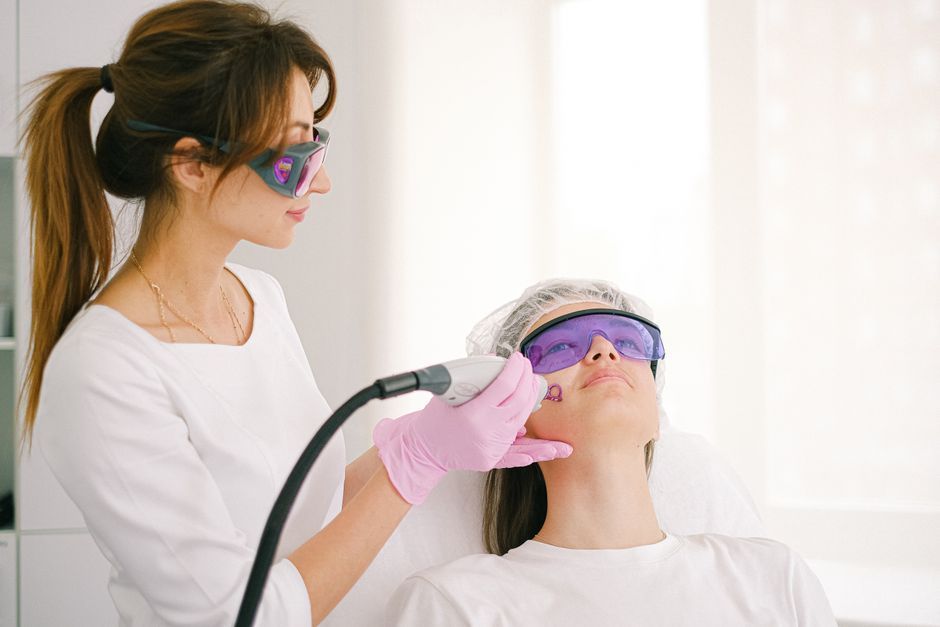
Laser resurfacing at a glance
- What's included: CO2 laser for resurfacing and for mole and lesion removal
- Who it suits: Acne scars, rough texture, enlarged pores, moles and small benign lesions
- Treatment time: About 10 to 45 minutes
- Comfort: Numbing cream or local anesthetic
- Downtime range: Several days to about a week for resurfacing; small scabs after lesion removal
- Alternatives: Virtue RF for pores and scars with less downtime
- Performed by: Violacell's doctors; Dr. Choi Sang-seok focuses on laser, skin and body treatments
What is laser resurfacing?
Ablative resurfacing uses a laser that is absorbed by water in the skin to vaporize tissue in controlled amounts. In fractional mode, it creates tiny columns of treated skin surrounded by untouched skin, which speeds healing while stimulating strong collagen remodeling.
How does Violacell use CO2 laser?
Violacell uses CO2 laser in two ways: to resurface acne scars and rough texture, and to remove moles and small skin lesions precisely. Your doctor examines each lesion first.
Who is a good candidate?
Resurfacing suits adults with scarring or texture concerns who can allow time for recovery and protect their skin from the sun. Darker or tanned skin needs cautious settings because of the risk of post-inflammatory hyperpigmentation. For milder pores and scars, Virtue RF offers less downtime.
What happens during treatment?
After AI skin analysis and consultation, numbing cream or local anesthetic is applied. Treatment is quick for small lesions and longer for full-face resurfacing. Cooling and a protective ointment follow.
Recovery and risks
Redness, swelling, oozing and crusting are expected for several days after resurfacing, with pinkness that can last weeks. Risks include infection, prolonged redness, pigment changes and, rarely, scarring. Small lesion removal leaves a scab that heals over one to two weeks. Results vary between individuals.
Planning from abroad
Allow about a week in Seoul after full resurfacing. Read skincare after laser and our aftercare instructions.
What results can I expect?
After resurfacing, skin usually looks smoother and more even once redness fades, and collagen remodeling continues for several months. Deeper acne scars often improve over a series rather than in one session. After mole or lesion removal, a small pink mark usually fades over weeks to months. Results vary between individuals, and sun protection is essential while the skin heals to reduce the risk of pigment changes.
How should I prepare?
Avoid tanning before treatment, and tell your doctor about isotretinoin use, cold sores, keloids or any medications. Antiviral medication may be recommended for some patients.
Resurfacing treatments in this category
- CO2 Laser: Ablative CO2 for mole and lesion removal and for resurfacing scars and texture.
Not sure which treatment is right?
Send us a few photos and your goals through KakaoTalk or our booking form. A Violacell doctor will review them, and every visit starts with a free AI skin analysis and a 1:1 consultation.
Laser resurfacing FAQ
What is the best treatment for acne scars?
It depends on the scar type and your skin. CO2 resurfacing often gives the most change for deeper scars, while Virtue RF suits milder scars and pores with less downtime. Many plans combine treatments over several sessions.
Can CO2 laser remove moles?
Yes. Violacell uses CO2 laser to remove moles and small skin lesions. Your doctor examines each lesion first; anything that looks suspicious should be assessed appropriately before removal.
How long is the downtime?
Expect several days to about a week of redness, oozing and crusting after resurfacing, and pinkness that may last a few weeks. Small lesion removal usually leaves a scab for one to two weeks.
Is CO2 laser safe for Asian skin?
It can be, with conservative settings, careful aftercare and strict sun protection, because Asian skin is more prone to post-inflammatory hyperpigmentation. Your doctor will adjust the plan to your skin type.
Plan your visit to Violacell
3F, 138 Dosan-daero, Gangnam, a 4-minute walk from Sinsa Station Exit 1. Free AI skin analysis, a treatment plan designed by our doctors, and private single-room care. Call +82-2-518-9119 or message us on KakaoTalk.
Educational information only, not a substitute for a medical consultation. Suitability, downtime and results vary between individuals. Medical disclaimer