
Home › Treatments › Laser & Energy Skin Treatments
Laser & Energy Skin Treatments in Gangnam, Seoul
Quick answer: Laser and energy skin treatments use light or radiofrequency energy to treat pigment, redness, pores, scars and texture. At Violacell in Gangnam, the options are Pico Plus and laser toning for pigment, V Laser for redness, CO2 laser for mole removal and resurfacing, and Virtue RF and Triderm for pores, scars and sebum. Downtime ranges from none to about a week.
Medically reviewed by Dr. Kim Young-jun, Board-Certified Plastic Surgeon, Representative Director, Violacell Plastic Surgery · Last reviewed November 2026
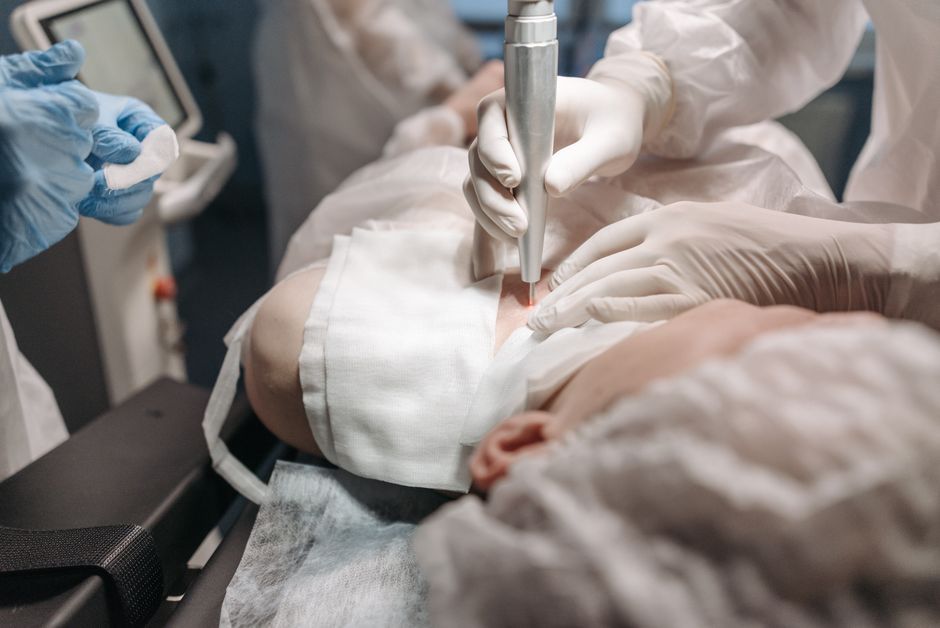
Laser & energy skin treatments at a glance
- What's included: Pico Plus, laser toning, CO2 laser, V Laser, Virtue RF and Triderm
- Who it suits: Pigmentation, melasma, redness, enlarged pores, scars and rough texture
- Treatment time: About 10 to 45 minutes
- Downtime range: None for toning; several days to a week for CO2
- Sessions: Often a series, depending on the concern
- How to choose: Pigment: Pico Plus or toning; redness: V Laser; pores and scars: Virtue RF, CO2 or Triderm
- Performed by: Violacell's doctors; Dr. Choi Sang-seok focuses on laser, skin and body treatments
What do laser and energy treatments do?
Lasers deliver light at specific wavelengths that are absorbed by targets such as pigment, blood vessels or water in the skin. Radiofrequency devices deliver heat to stimulate collagen and refine pores. Choosing the right device and setting for your skin type is what determines both results and safety.
Which concerns can be treated?
For melasma and sun spots, Violacell uses Pico Plus and laser toning. For redness and dilated vessels it uses V Laser. For enlarged pores and acne scars it uses Virtue RF and CO2, and Triderm for sebum and texture. CO2 laser is also used to remove moles and small skin lesions.
Who performs laser treatments?
Violacell is led by board-certified plastic surgeons, and Dr. Choi Sang-seok focuses on laser, skin and body treatments. Every plan begins with AI skin analysis so settings can be matched to your skin.
Who is a good candidate?
Most adults with pigment, redness, pores or texture concerns can benefit, but tanned skin, active infection, recent isotretinoin use or a history of keloids may change the plan. Darker skin types need cautious settings to reduce the risk of post-inflammatory hyperpigmentation.
Risks and side effects
Redness, swelling and temporary darkening are common after many lasers. Less commonly, blistering, hyperpigmentation or hypopigmentation can occur. Strict sun protection reduces these risks. Results vary between individuals.
Planning from abroad
Gentle lasers fit short trips; CO2 needs more recovery time in Seoul. Read when you can wear makeup after laser and skincare after laser.
How do I prepare for laser treatment?
Avoid tanning and strong sun exposure for a few weeks before treatment, and tell your doctor about isotretinoin, retinoids, a history of cold sores or keloids, and any medications. Arrive without makeup if possible. After treatment, use gentle skincare, high-protection sunscreen and avoid heat, saunas and intense exercise for a few days. Aftercare skincare such as Cryocell cooling or LED can be added to calm the skin.
Treatments in this category
- Pigmentation Lasers: Pico Plus and laser toning for melasma, sun spots and uneven tone.
- Laser Resurfacing: CO2 laser for resurfacing and for removing moles and small skin lesions.
- Vascular Lasers: V Laser for facial redness and dilated vessels.
- RF Microneedling & RF: Virtue RF microneedling and Triderm radiofrequency for pores, scars, sebum and texture.
Not sure which treatment is right?
Send us a few photos and your goals through KakaoTalk or our booking form. A Violacell doctor will review them, and every visit starts with a free AI skin analysis and a 1:1 consultation.
Laser skin treatments FAQ
Are lasers safe for Asian skin?
Yes, when settings are chosen carefully. Asian skin can be more prone to post-inflammatory hyperpigmentation, so gentler settings, longer intervals and strict sun protection are often used.
How many laser sessions will I need?
It depends on the concern. Laser toning often needs a series, pigment spots may need one to a few Pico Plus sessions, and scars usually need several treatments. Your doctor will estimate this at consultation.
Can lasers be combined with skin boosters?
Often, yes. Boosters such as exosome or PDRN are used to support recovery after lasers. Your doctor will plan timing so the skin is not overloaded.
Can Violacell remove moles?
Violacell uses CO2 laser to remove moles and small skin lesions. Your doctor will examine each lesion first, and any lesion that looks suspicious should be assessed appropriately before removal.
Plan your visit to Violacell
3F, 138 Dosan-daero, Gangnam, a 4-minute walk from Sinsa Station Exit 1. Free AI skin analysis, a treatment plan designed by our doctors, and private single-room care. Call +82-2-518-9119 or message us on KakaoTalk.
Educational information only, not a substitute for a medical consultation. Suitability, downtime and results vary between individuals. Medical disclaimer