
Home › Conditions › Hands & Décolletage › Chest & Décolletage › Sun Damaged Decolletage
Sun-Damaged Décolletage Treatment in Gangnam, Seoul
Quick answer: Sun-damaged décolletage shows brown spots, redness, visible vessels and rough, crepey skin on the upper chest, often in a V-shaped pattern. It is caused by years of UV exposure on thin, unprotected skin. Pico Plus laser, laser toning, V Laser and skin boosters can typically improve color and texture over two to four sessions with modest downtime.
Medically reviewed by Dr. Kim Young-jun, Board-Certified Plastic Surgeon, Representative Director, Violacell Plastic Surgery · Last reviewed November 2026
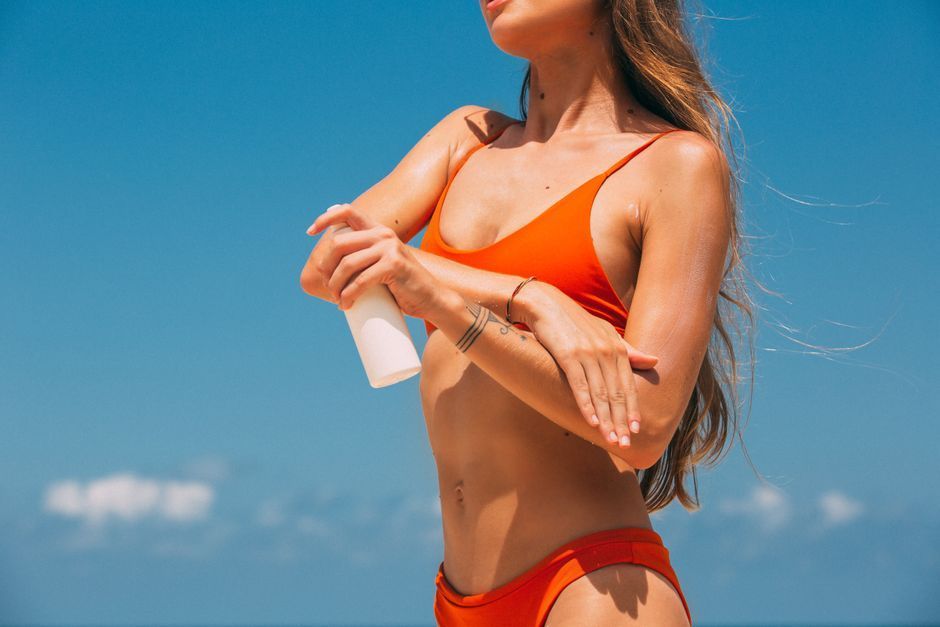
Sun-damaged décolletage at a glance
- Common causes: Cumulative UV exposure, open necklines without sunscreen, tanning, fair skin and aging
- Who it affects: Adults from their 30s onward, particularly with fair skin or a history of sunbathing
- Best-matched treatments: Pico Plus laser, V Laser, Laser toning, Décolletage rejuvenation
- Non-surgical options: Pigment and vascular lasers, skin boosters and topical care
- Surgical options: Not applicable
- Typical downtime: About one week of darkened spots and mild redness after laser
- Assessed by: A Violacell doctor; suspicious spots are referred for dermatology review
What is sun-damaged décolletage?
Sun damage on the décolletage appears as a combination of changes on the upper chest: scattered brown spots, a reddish-brown mottled discoloration, fine visible vessels and rough, crepey texture. It often forms a V-shape that matches the outline of open necklines worn over many years.
The medical term for the reddish-brown mottled pattern with thinning skin is poikiloderma of Civatte. It is common and harmless, but it can make the chest look much older than the face.
What causes sun damage on the chest?
The chest receives a large amount of sun exposure, especially in warm climates and during holidays, yet it is often left out of daily sunscreen routines. Ultraviolet light stimulates pigment cells to create spots, damages blood vessels to produce redness, and breaks down collagen and elastin, leaving skin thin and crepey.
Tanning, sunbathing, outdoor sports and fair skin increase risk. Some fragrances and skincare ingredients applied to the neck and chest can increase sun sensitivity, contributing to discoloration in certain people.
Who is affected?
Sun-damaged décolletage is most common from the 30s onward, particularly in people with fair skin or a history of sunbathing. Many international patients from sunny regions, including Australia, the Middle East and Southeast Asia, seek treatment in Gangnam. It often accompanies chest wrinkles and age spots on the hands.
How is chest sun damage assessed?
A Violacell doctor examines the chest for spots, redness, vessels, texture and laxity. We separate the components because each responds to different treatments. Spots that are irregular, raised, scaly, itchy, bleeding or changing are referred for dermatology review before any cosmetic treatment, as sun-damaged skin has a higher risk of skin cancer.
We also ask about skincare, fragrances, medications and sun habits, and consider your skin type when selecting devices and settings.
How is sun-damaged décolletage treated?
Pico Plus laser can target individual darker spots, and laser toning gradually evens diffuse pigment. V Laser, the vascular laser Violacell uses for redness and dilated vessels, addresses persistent redness and visible capillaries.
For crepey texture and fine lines, skin boosters such as the Violacell skin booster are added as part of décolletage rejuvenation. Treatments are usually staged over several sessions so the delicate chest skin can heal between them. Your doctor will decide the order based on which concern bothers you most.
Risks and side effects
After laser treatment, spots typically darken and flake over about a week, and the skin may be red and slightly swollen. Less common risks include blistering, pigment changes such as lighter or darker patches, and scarring. Chest skin heals more slowly than facial skin, so conservative settings and careful aftercare are important. Sun exposure after treatment significantly increases the risk of complications.
What results can I expect?
Many patients see a noticeably clearer, more even chest after two to four sessions, with improved texture developing over the following months. Results can last a long time with diligent sun protection, though new damage can occur with further exposure. Maintenance sessions every year or two help keep the area looking fresh.
Protecting your décolletage
Apply broad-spectrum sunscreen to your neck and chest every morning, reapply when outdoors and choose clothing that covers the chest in strong sun. Avoid applying perfume directly to sun-exposed skin. Moisturizers and gentle retinoid products recommended by your doctor can support skin repair.
Planning treatment in Seoul
Allow about a week for flaking after laser, and plan for high-necked clothing during that time. If you are returning to a sunny climate, schedule treatment early in your trip and pack sun-protective clothing. See what skincare after laser? and our patient journey.
Which treatment fits this concern?
Every visit to Violacell starts with a free AI skin analysis. A Violacell doctor then designs a non-surgical plan for your face, with honest expectations.
Sun-damaged décolletage FAQ
What is the best treatment for sun damage on the chest?
Pico Plus laser or laser toning is often a good starting point for brown spots, with V Laser added for redness and vessels and skin boosters for crepey texture, depending on the type and severity of damage. Your doctor will create a combined plan.
What is poikiloderma of Civatte?
Poikiloderma of Civatte is a common pattern of reddish-brown discoloration and thinning skin on the sides of the neck and upper chest, caused mainly by long-term sun exposure. It is harmless but can be improved gradually with vascular and pigment lasers, combined with strict sun protection.
How many sessions are needed for sun-damaged chest skin?
Many patients need two to four sessions spaced about four weeks apart for a clear improvement. The number depends on how much pigment, redness and texture damage is present. Maintenance once every year or two helps sustain results, together with daily sunscreen.
Can I go in the sun after chest laser treatment?
You should avoid direct sun on the treated area for at least a few weeks after laser, because sun exposure increases the risk of pigment changes. Wear covering clothing and apply broad-spectrum sunscreen daily, especially if you are traveling to a sunny destination.
Plan your visit to Violacell
3F, 138 Dosan-daero, Gangnam, a 4-minute walk from Sinsa Station Exit 1. Free AI skin analysis, a treatment plan designed by our doctors, and private single-room care. Call +82-2-518-9119 or message us on KakaoTalk.
Educational information only, not a substitute for a medical consultation. Suitability, downtime and results vary between individuals. Medical disclaimer