
Home › Conditions › Hands & Décolletage › Chest & Décolletage › Chest Wrinkles
Chest Wrinkles Treatment in Gangnam, Seoul
Quick answer: Chest wrinkles are fine or vertical lines on the décolletage, often appearing between the breasts from side sleeping and on the upper chest from sun damage. Thin skin, collagen loss and hormonal changes contribute. Skin boosters, diluted biostimulators such as Sculptra and RF microneedling can soften lines over two to three sessions, with little downtime. Prevention focuses on sleep position and sunscreen.
Medically reviewed by Dr. Kim Young-jun, Board-Certified Plastic Surgeon, Representative Director, Violacell Plastic Surgery · Last reviewed November 2026
Chest wrinkles at a glance
- Common causes: Side sleeping, sun damage, thin skin, collagen loss, menopause, weight change and push-up bras
- Who it affects: Mainly women from their 30s onward, though men can develop them too
- Best-matched treatments: Décolletage rejuvenation, Violacell skin booster, Sculptra, Virtue RF
- Non-surgical options: Skin boosters, diluted biostimulators, fine filler, micro-Botox and RF microneedling
- Surgical options: Not usually required for chest lines
- Typical downtime: One to three days of small bumps or redness
- Assessed by: A Violacell doctor
What are chest wrinkles?
Chest wrinkles are lines that form on the décolletage, the upper chest area visible in open necklines. They fall into two main types. Vertical lines between the breasts are often called sleep lines or cleavage wrinkles, while fine crisscross lines across the upper chest usually reflect sun damage and thinning skin.
At first, sleep lines appear only in the morning and fade during the day. Over time, as skin loses elasticity, they can become permanent. Chest lines often appear alongside neck wrinkles and crepey texture.
What causes chest wrinkles?
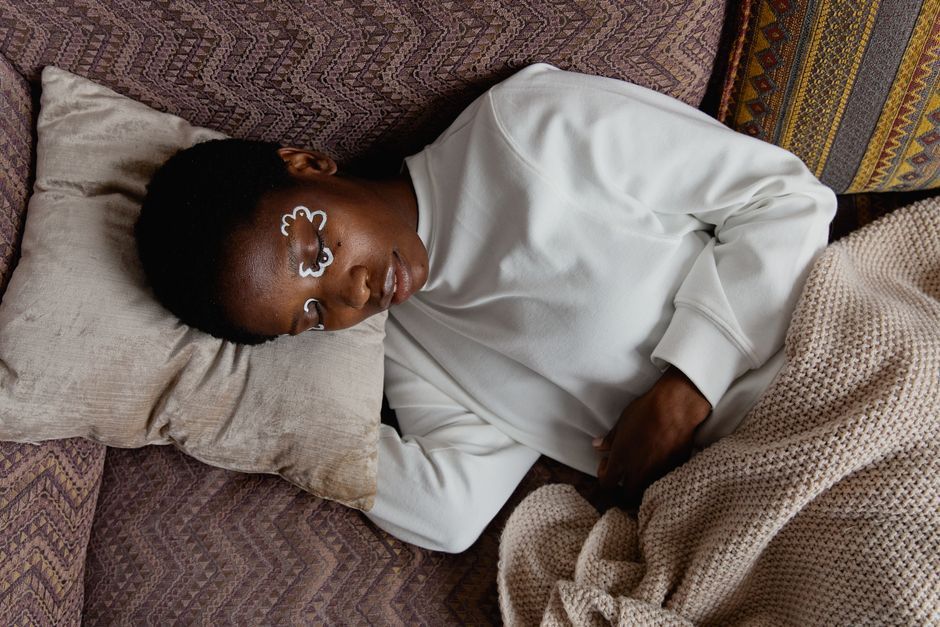
Sleeping on one side is a major cause of vertical chest lines. The breasts fall toward each other, folding the skin in the center of the chest for hours every night. Push-up bras and compressive clothing can have a similar effect.
Sun damage breaks down collagen and elastin, causing fine wrinkles and crepey skin across the upper chest. The skin here is thin and has fewer oil glands, so it is more vulnerable. Hormonal changes around menopause, weight fluctuations, smoking and genetics all reduce skin firmness.
Who gets chest wrinkles?
Chest wrinkles are most common in women from their 30s and 40s onward, particularly side sleepers and those with fair or sun-damaged skin. Women with larger breasts may notice vertical lines earlier. Men can develop sun-related chest wrinkles too, especially if they spend time outdoors without a shirt or sunscreen.
How are chest wrinkles assessed?
At Violacell in Gangnam, a Violacell doctor examines the chest standing and lying on your side, to see which lines are dynamic and which are present at rest. We assess skin thickness, elasticity, crepiness, pigment and redness. We also ask about sleep position, sun habits, skincare and hormonal changes.
Distinguishing etched lines from general laxity and sun damage allows us to choose between hydration-focused boosters, collagen stimulation or resurfacing, or a combination.
How are chest wrinkles treated?
Décolletage rejuvenation usually combines several approaches. The Violacell skin booster, a custom blend chosen after diagnosis, and other hydrating boosters improve hydration and elasticity. Diluted collagen biostimulators such as Sculptra build firmness gradually over several months.
Deeper etched lines may be softened with a small amount of soft filler or micro-Botox in carefully selected patients. RF microneedling such as Virtue RF can refine texture and stimulate collagen. If sun spots and redness are present, they are treated as well, as described on our sun-damaged décolletage page.
Risks and side effects
Injections may cause bruising, swelling and small bumps that typically settle within a few days. Biostimulators carry a small risk of nodules if not correctly diluted and massaged. RF microneedling can cause redness and, uncommonly, pigment changes or scarring, especially because chest skin heals more slowly than the face. Conservative settings and good aftercare reduce these risks.
What results can I expect?
Many patients notice smoother, better-hydrated skin within a few weeks, with collagen-related improvement continuing for several months. Fine and moderate lines often soften significantly, while deeply etched lines may improve but rarely disappear entirely. Maintenance sessions help preserve results.
Can chest wrinkles be prevented?
Prevention makes a real difference. Try to sleep on your back, or use a chest pillow or supportive sleep bra designed to keep the breasts from pressing together. Apply sunscreen to your chest every day and moisturize regularly. These steps also help results from treatment last longer.
Planning chest wrinkle treatment in Seoul
Most treatments fit a short visit, though programs usually include two or three sessions spaced several weeks apart. Wear loose, comfortable clothing after treatment and avoid sun exposure on the chest. See our patient journey and anti-aging by age guide.
Which treatment fits this concern?
Every visit to Violacell starts with a free AI skin analysis. A Violacell doctor then designs a non-surgical plan for your face, with honest expectations.
Chest wrinkles FAQ
What causes vertical wrinkles between the breasts?
Vertical chest lines are mostly caused by sleeping on one side, which folds the skin in the center of the chest night after night. Sun damage, thin skin, collagen loss and hormonal changes make them more likely to become permanent over time.
Can chest wrinkles be removed?
Chest wrinkles can usually be softened with skin boosters, biostimulators and RF microneedling. Very deep, long-standing lines may improve but rarely disappear completely. Combining treatment with changes to sleep position and daily sunscreen gives the best long-term results, and your doctor will set realistic goals.
Do chest pads or silicone patches work for chest wrinkles?
Silicone chest pads worn overnight may help reduce the folding that creates sleep lines and can temporarily smooth the skin. They work best for prevention and early lines. Established wrinkles usually need in-clinic treatments for more lasting improvement, ideally combined with pads for prevention.
How long do chest wrinkle treatment results last?
Skin booster results typically last several months, while biostimulator results can last around two years as collagen builds. Laser improvements can be long-lasting with sun protection. Aging and sleep habits continue to play a role, so periodic maintenance is common.
Plan your visit to Violacell
3F, 138 Dosan-daero, Gangnam, a 4-minute walk from Sinsa Station Exit 1. Free AI skin analysis, a treatment plan designed by our doctors, and private single-room care. Call +82-2-518-9119 or message us on KakaoTalk.
Educational information only, not a substitute for a medical consultation. Suitability, downtime and results vary between individuals. Medical disclaimer