
Home › Conditions › Skin Quality › Tone & Redness › Broken Capillaries
Broken Capillaries Treatment in Gangnam, Seoul
Quick answer: Broken capillaries, or telangiectasia, are small dilated blood vessels visible as fine red, pink or purple lines, usually on the nose, cheeks and chin. They are caused by sun damage, genetics, rosacea, aging, temperature extremes and skin trauma. A vascular laser such as V Laser typically fades them over one to three sessions with minimal downtime.
Medically reviewed by Dr. Kim Young-jun, Board-Certified Plastic Surgeon, Representative Director, Violacell Plastic Surgery · Last reviewed November 2026
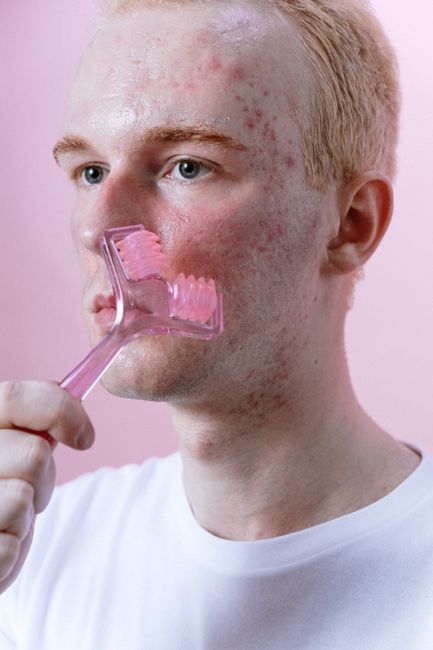
Broken capillaries at a glance
- Common causes: Sun damage, genetics, rosacea, aging, alcohol, temperature extremes, pressure or trauma and some medications
- Who it affects: Adults, especially with fair or thin skin, rosacea or long-term sun exposure
- Best-matched treatments: V Laser, Pico Plus laser(accompanying spots), Exosome therapy
- Non-surgical options: Vascular laser, sun protection, calming boosters and gentle skincare
- Surgical options: Not applicable
- Typical downtime: Mild redness or swelling for one to two days; occasional temporary bruising
- Assessed by: A Violacell doctor
What are broken capillaries?
Broken capillaries, medically called telangiectasia or spider veins of the face, are small blood vessels near the skin surface that have become permanently widened. They appear as fine red, pink or purple lines, sometimes branching like a web, most often around the nose, on the cheeks and on the chin.
Despite the name, the vessels are not actually broken. They are dilated and have lost the ability to contract normally, which is why they stay visible. They are harmless, but many people find them bothersome because they make skin look red or uneven.
What causes broken capillaries?
Sun exposure is a leading cause. Ultraviolet light weakens collagen around vessel walls, making them more likely to dilate. Genetics play a large role, and broken capillaries often run in families. They are a common feature of rosacea.
Other contributors include aging and thinning skin, frequent flushing, alcohol, temperature extremes such as saunas or cold wind, forceful nose blowing, harsh scrubbing, pregnancy and hormonal changes, and long-term use of topical steroids.
Who gets broken capillaries?
They are most common in adults with fair or thin skin, people with rosacea, and those with years of sun exposure or outdoor work. However, they occur in all skin types. Many patients from sunny or cold, windy climates notice them, and they often appear alongside sun spots and other signs of sun damage.
Men and women are both affected. Some people develop vessels after a single event such as a period of heavy coughing or vomiting, which raises pressure in the facial veins.
How are broken capillaries assessed?
A Violacell doctor examines the size, color, depth and distribution of the vessels. Fine red vessels respond differently from larger blue or purple ones, which affects the choice of device and settings. We also look for underlying rosacea, sun damage and skin sensitivity.
We ask about triggers, medications and skincare, because addressing these helps prevent new vessels from forming. If vessels appear suddenly in large numbers or with other symptoms, we may recommend a medical review, since certain liver or hormonal conditions can be associated with spider veins.
How are broken capillaries treated?
Vascular laser is the main treatment. V Laser is the wavelength laser Violacell uses for redness and dilated vessels; it targets the blood inside fine facial vessels so they close and fade. Settings are chosen for your skin type and the size of the vessels.
Where broken capillaries come with sun spots, Pico Plus or laser toning can be planned alongside. Many treated vessels fade over the following weeks, and calming boosters such as exosome or PDRN can support sensitive skin between sessions.
Risks and side effects
Common effects include redness, mild swelling and a warm, sunburn-like sensation for a day or two. Depending on settings, temporary bruising can occur and usually fades within a week. Less commonly, blistering, crusting or pigment changes may occur, especially in darker or tanned skin. Strict sun protection before and after treatment reduces these risks.
Will broken capillaries come back?
Treated vessels usually do not return, but new vessels can form over time, especially with sun exposure, rosacea flares or ongoing triggers. Daily sunscreen, gentle skincare, avoiding very hot water and saunas, and moderating alcohol help keep skin clear. Some patients choose a maintenance session once a year.
Planning capillary treatment in Seoul
Vascular laser sessions are quick and fit easily into a short visit. If more than one session is needed, they are usually spaced about four weeks apart, which can be arranged across trips. Avoid strenuous exercise, hot baths and alcohol for a day or two after treatment. See when can I wear makeup after laser? and our patient journey.
Which treatment fits this concern?
Every visit to Violacell starts with a free AI skin analysis. A Violacell doctor then designs a non-surgical plan for your face, with honest expectations.
Broken capillaries FAQ
Can broken capillaries be removed permanently?
Treated vessels are usually cleared for good, but new ones can form over time, particularly with sun exposure, rosacea or other triggers. Good sun protection and gentle skincare reduce the chance of new vessels, and occasional maintenance sessions can treat any that appear.
How many laser sessions are needed for facial veins?
Fine vessels often clear in one or two sessions, while larger or more numerous vessels may need two to three sessions spaced about a month apart. Your doctor will estimate the number after examining the size and depth of your vessels.
Does laser treatment for broken capillaries hurt?
Most people describe a quick snapping sensation, like a rubber band, with a cooling system to keep the skin comfortable. Topical numbing cream is optional for sensitive patients. Mild warmth afterward usually settles within a few hours, and most patients return to normal activities the same day.
Can I prevent broken capillaries?
You can reduce the risk by wearing daily sunscreen, avoiding very hot water and saunas, protecting your face from cold wind, treating rosacea and handling your skin gently. Genetics still play a role, so some people develop vessels despite good care.
Plan your visit to Violacell
3F, 138 Dosan-daero, Gangnam, a 4-minute walk from Sinsa Station Exit 1. Free AI skin analysis, a treatment plan designed by our doctors, and private single-room care. Call +82-2-518-9119 or message us on KakaoTalk.
Educational information only, not a substitute for a medical consultation. Suitability, downtime and results vary between individuals. Medical disclaimer