
Home › Treatments › Skin Boosters & Regenerative › Regenerative Therapies › Exosome Therapy
Exosome Therapy for Skin in Gangnam, Seoul
Quick answer: Exosome therapy applies exosome-containing products, tiny vesicles involved in cell signaling, to the skin, usually right after microneedling or laser so they can penetrate. It aims to calm the skin, support recovery and improve texture and glow. It is a newer, still-developing area with limited high-quality evidence. Downtime depends mainly on the procedure it is paired with.
Medically reviewed by Dr. Kim Young-jun, Board-Certified Plastic Surgeon, Representative Director, Violacell Plastic Surgery · Last reviewed November 2026
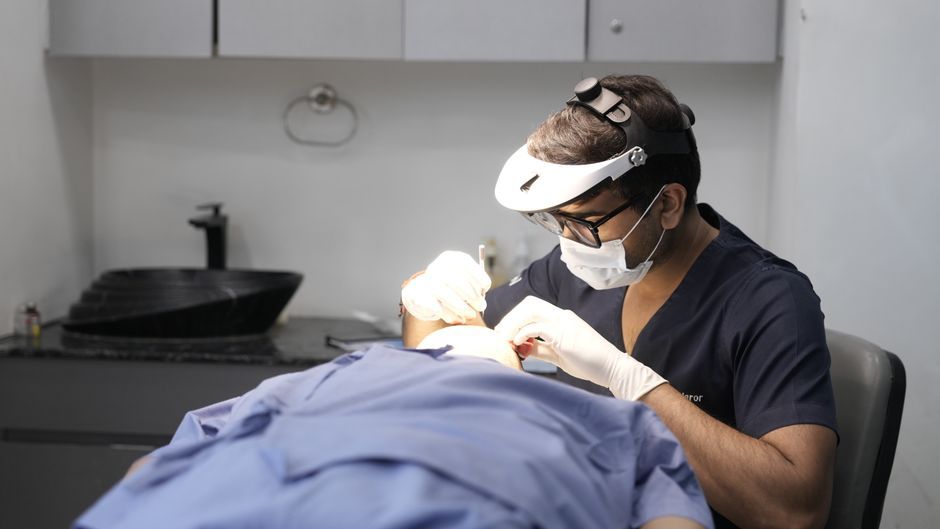
Exosome therapy at a glance
- Treatment type: Topical exosome-containing products with a procedure
- Typical session time: About 30–60 minutes, depending on pairing
- Comfort: Depends on paired treatment; numbing used
- Downtime: Usually that of the paired laser or microneedling
- Results appear: Gradually over several weeks
- Typical duration of results: Varies; evidence still emerging
- Sessions: Often 3–5, alongside a treatment course
- Performed by: Performed personally by a Violacell doctor; the clinic is led by board-certified plastic surgeons
What are exosomes?
Exosomes are tiny vesicles released by cells that carry proteins, lipids and genetic signals between cells. Scientists study them because they appear to play a role in communication, repair and inflammation. In aesthetic medicine, exosome products are typically derived from cultured cells, often stem cell cultures of various origins, and are marketed to support skin renewal. Korea has been an early and active market for these products.
How is exosome therapy used on the skin?
In most clinics, exosome products are applied immediately after a procedure that creates tiny channels in the skin, such as microneedling, RF microneedling or fractional laser. These channels help the product penetrate. The goal is to calm post-procedure redness, support recovery and enhance improvements in texture, tone and glow. Product regulations differ between countries, and in some places exosome products are not approved for injection.
What does the evidence say?
Exosome research is promising but early. Laboratory and small clinical studies suggest possible benefits for skin recovery and quality, yet large, well-controlled trials are limited, and product composition varies widely between brands. We present exosome therapy honestly as an emerging option, not a proven solution, and we will explain the specific product used and its regulatory status.
Who might consider exosome therapy?
Exosomes are often considered by people having lasers or microneedling who want to support recovery, and by those with dull, tired skin, fine texture changes, enlarged pores or acne scars as part of a broader treatment plan. People who are pregnant or breastfeeding, have active skin infections or have a history of certain cancers should discuss suitability carefully, and treatment may not be recommended.
What happens during treatment in Gangnam?
Your doctor first performs the paired procedure, such as microneedling or a fractional laser, after numbing. The exosome product is then applied across the treated area and gently pressed into the skin. A calming mask may follow. The total session time depends mostly on the main procedure, typically 30 to 60 minutes.
Recovery and aftercare
Recovery mostly reflects the paired treatment. After microneedling, expect redness for one to three days and mild flaking. Avoid makeup for 24 hours, plus saunas, swimming, strenuous exercise and active skincare for a few days. Strict sun protection is important. See our aftercare instructions and what skincare to use after laser.
Risks and side effects
Side effects are usually related to the paired procedure: redness, swelling, sensitivity, flaking and, rarely, infection or pigment changes. Allergic or irritant reactions to exosome products are possible. Because product sourcing and quality vary, we use products from established suppliers with clear documentation, and we advise against unregulated injections.
What results can I expect?
Many patients report calmer skin and faster-feeling recovery after procedures, with gradual improvements in glow and texture over a course. Results vary, and the specific contribution of exosomes versus the paired treatment is not always clear. Realistic expectations are important.
What questions should I ask about exosome products?
Ask the name and manufacturer of the product, what source it is derived from, how it is stored and whether it is applied topically or injected. A clear, documented answer is a good sign. At Violacell in Gangnam, your doctor will explain this before treatment so you can make an informed choice.
Exosomes vs PRP and PDRN
PRP uses growth factors from your own blood, and PDRN uses purified salmon DNA fragments. Both have a longer track record in medicine than exosome products. Many patients choose based on their skin goals, medical history and comfort with each source.
Planning exosome therapy from abroad
Because exosomes are usually combined with lasers or microneedling, allow a few days in Seoul for initial redness to settle before flying. You will receive an itemized written quote naming the product; see our pricing guide.
Not sure which treatment is right?
Send us a few photos and your goals through KakaoTalk or our booking form. A Violacell doctor will review them, and every visit starts with a free AI skin analysis and a 1:1 consultation.
Exosome Therapy FAQ
Are exosomes the same as stem cell therapy?
No. Exosomes are tiny vesicles released by cells, and aesthetic exosome products do not contain living cells. They are often derived from stem cell cultures, which is why the terms are sometimes confused. Always ask what the product contains and where it comes from.
Is exosome therapy proven to work?
Exosome therapy is a promising but emerging area. Early studies suggest possible benefits for skin recovery and quality, but large, well-controlled trials are limited and products vary. We present it as an optional addition to proven treatments rather than a guaranteed solution.
Is exosome therapy safe?
When topical exosome products from established suppliers are used with standard procedures, side effects are usually mild and related to the paired treatment. Product quality and regulation vary internationally, so we explain the specific product and advise against unregulated injections. Discuss your medical history with your doctor first.
How many exosome sessions do I need?
Exosomes are usually added to a course of lasers or microneedling, often three to five sessions spaced several weeks apart. The number depends on your skin goals and the main treatment. Your doctor will tailor the plan to your skin and travel schedule.
Plan your visit to Violacell
3F, 138 Dosan-daero, Gangnam, a 4-minute walk from Sinsa Station Exit 1. Free AI skin analysis, a treatment plan designed by our doctors, and private single-room care. Call +82-2-518-9119 or message us on KakaoTalk.
Educational information only, not a substitute for a medical consultation. Suitability, downtime and results vary between individuals. Medical disclaimer