
Home › Treatments › Skin Boosters & Regenerative › Regenerative Therapies › PRP Therapy
PRP Therapy for Skin Rejuvenation in Gangnam, Seoul
Quick answer: PRP (platelet-rich plasma) therapy uses a concentrate of platelets from your own blood, injected or applied to the skin, to support natural repair. It is used for dull or tired skin, fine lines, under-eye texture and acne scars, often with microneedling. Mild redness, swelling or bruising usually settles within a few days. Results are gradual, need several sessions and vary between people.
Medically reviewed by Dr. Kim Young-jun, Board-Certified Plastic Surgeon, Representative Director, Violacell Plastic Surgery · Last reviewed November 2026
PRP therapy at a glance
- Treatment type: Autologous platelet-rich plasma from your own blood
- Typical session time: About 45–75 minutes including blood draw
- Comfort: Topical numbing; small injections or microneedling
- Downtime: Redness, swelling or bruising for 1–3 days
- Results appear: Gradually over 4–8 weeks
- Typical duration of results: Varies; maintenance often advised
- Sessions: Commonly 3, about 4 weeks apart
- Performed by: Performed personally by a Violacell doctor; the clinic is led by board-certified plastic surgeons
What is PRP therapy?
Platelet-rich plasma (PRP) is a concentrate prepared from a small sample of your own blood. Platelets contain growth factors and other proteins involved in tissue repair. PRP has been used in fields such as orthopedics, dentistry and hair restoration, and in aesthetic medicine it is used to support skin rejuvenation. Because it comes from your own body, the risk of allergic reaction to the material itself is very low.
How does PRP work on the skin?
After blood is drawn, it is spun in a centrifuge to separate the platelet-rich layer. This plasma is then injected into the skin in small amounts or applied during microneedling so it can penetrate through tiny channels. The growth factors are thought to stimulate fibroblasts, encouraging collagen production and improving skin quality over time. Evidence for skin rejuvenation is promising but mixed, and preparation methods vary, so results differ between patients.
What can PRP help with?
PRP is commonly used for dull, tired skin, fine lines, crepey texture, enlarged pores, acne scars and under-eye concerns such as thin skin and mild dark circles. It is often combined with microneedling or fractional lasers to support healing and enhance results. PRP is also widely used for hair thinning, which is outside the scope of this page.
Who is a good candidate?
Adults in good general health who want a natural, gradual improvement in skin quality are typical candidates. PRP may be less suitable for people with certain blood or platelet disorders, active infections, some cancers, anticoagulant use or significant anemia. It should be postponed during pregnancy. Tell your doctor about all medications and supplements, including anti-inflammatories and blood thinners.
What happens during a PRP session in Gangnam?
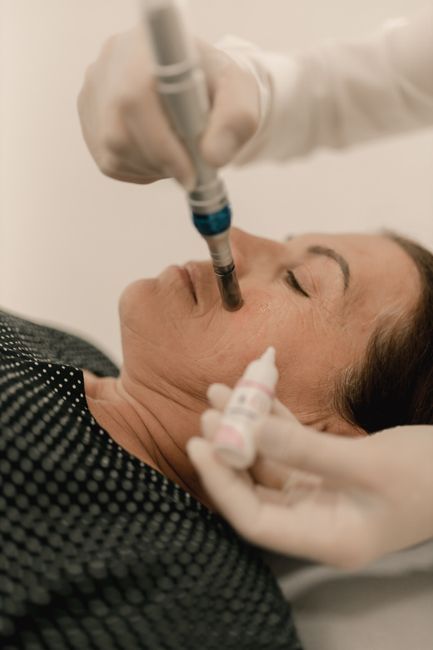
A nurse or doctor draws a small amount of blood from your arm, similar to a routine blood test. While the sample is processed, numbing cream is applied to your face. The PRP is then injected in small amounts with a fine needle, or applied during microneedling for broader coverage. A full session, including preparation, usually takes about an hour.
Recovery and aftercare
Redness and swelling are common for one to three days, especially after microneedling. Pinpoint bruises may appear, particularly under the eyes. Avoid makeup for 24 hours, and skip saunas, strenuous exercise, alcohol and strong skincare actives for a few days. Protect your skin from the sun. See our aftercare instructions.
Risks and side effects
Side effects are usually mild: redness, swelling, tenderness and bruising at injection or blood draw sites. Less commonly, infection, prolonged swelling or small lumps can occur. Because PRP is autologous, allergic reactions to the plasma are rare, though reactions to numbing creams or other products are possible. Sterile preparation is essential.
What results can I expect?
Improvement is gradual. Many patients notice brighter, smoother skin four to eight weeks after the first session, with further benefit over a course of about three treatments. Results are typically subtle and natural, and individual response varies widely. Maintenance sessions are often recommended once or twice a year.
PRP vs other regenerative options
PRP uses your own blood, while PDRN and polynucleotide boosters such as Rejuran Healer use purified salmon-derived DNA fragments. Exosome therapy is a newer approach. Your doctor will recommend an option based on your skin, goals and medical history.
Planning PRP from abroad
A single session fits a short trip, and you can usually fly within a day or two. For a full course, plan sessions about four weeks apart across longer stays or repeat visits to Seoul. You will receive a written quote; see our pricing guide and patient journey.
Not sure which treatment is right?
Send us a few photos and your goals through KakaoTalk or our booking form. A Violacell doctor will review them, and every visit starts with a free AI skin analysis and a 1:1 consultation.
PRP Therapy FAQ
Is PRP the same as the vampire facial?
The term vampire facial is a popular nickname for PRP combined with microneedling. At Violacell we describe the treatment by what it is: platelet-rich plasma prepared from your own blood and applied by injection or microneedling. The technique and preparation method matter more than the name.
How many PRP sessions do I need?
Many protocols involve about three sessions spaced around four weeks apart, followed by maintenance once or twice a year. The right number depends on your skin concern and how you respond. Your doctor will suggest a plan that fits your travel schedule.
Does PRP hurt?
The blood draw feels like a routine blood test. Facial injections or microneedling can cause stinging, but numbing cream keeps discomfort manageable for most people. Under-eye injections may feel more sensitive. Any soreness usually settles within a few hours to a day.
Is PRP safe?
Because PRP is made from your own blood, the risk of allergic reaction to the plasma is very low. Risks such as bruising, swelling and infection still exist. Sterile preparation and an experienced doctor are important, and PRP is not suitable for some blood disorders or medications. If you want a broader program covering skin, scalp or IV, ask about Violacell's nano stem cell program.
Plan your visit to Violacell
3F, 138 Dosan-daero, Gangnam, a 4-minute walk from Sinsa Station Exit 1. Free AI skin analysis, a treatment plan designed by our doctors, and private single-room care. Call +82-2-518-9119 or message us on KakaoTalk.
Educational information only, not a substitute for a medical consultation. Suitability, downtime and results vary between individuals. Medical disclaimer