
Home › Conditions › Neck & Jawline › Neck Aging
Neck Aging: Causes and Treatment in Gangnam, Seoul
Quick answer: Neck aging covers three main concerns: horizontal neck lines, loose sagging skin often called turkey neck, and vertical platysmal bands. It is caused by collagen loss, sun damage, genetics and muscle changes. Skin boosters, Botox and lifting devices help early to moderate signs with little downtime, while a surgical neck lift may suit advanced laxity.
Medically reviewed by Dr. Kim Young-jun, Board-Certified Plastic Surgeon, Representative Director, Violacell Plastic Surgery · Last reviewed November 2026
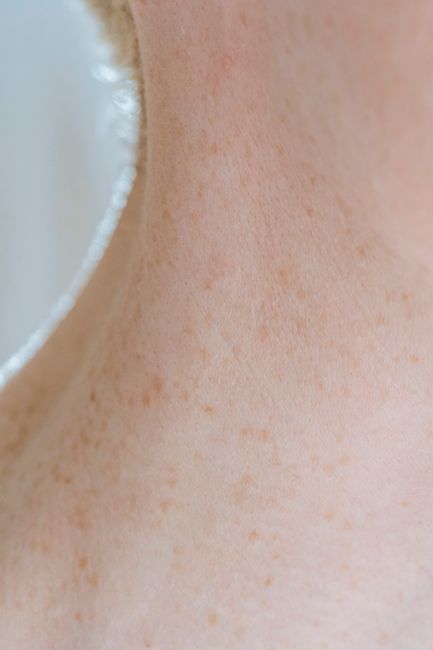
Neck aging at a glance
- What is included: Neck wrinkles, turkey neck and platysmal bands
- Who it suits: Adults from their 30s onward noticing lines, crepiness, laxity or cords on the neck
- Common causes: Thin skin, sun exposure, collagen loss, genetics, weight change and platysma activity
- Downtime range: None to a few days for injectables, boosters and lifting devices
- Non-surgical options: Skin boosters, neck Botox, Ulthera Prime, ONDA and Thermage FLX
- Surgical option: A neck lift may suit advanced laxity; not offered at Violacell, and the doctors will advise honestly
- How to choose: Match the treatment to the dominant cause: skin, muscle or excess tissue
Why does the neck age so visibly?
Neck skin is thinner than facial skin, has fewer oil glands and is often left out of daily sunscreen and skincare routines. It also moves constantly as we look down at phones and books. Over time this combination produces lines, crepey texture and loosening that can make the neck look older than the face.
Underneath, the platysma muscle thins and may separate into visible bands, and fat can collect under the chin. Treating neck aging well means identifying which of these layers is responsible.
Many patients have more than one concern at once, for example fine lines with mild laxity, so a combined plan is common. Prevention also matters: daily sunscreen on the neck, good posture with screens and early skin quality care can slow visible change.
How do we assess neck aging?
At Violacell in Gangnam, a Violacell doctor examines your neck at rest and in motion. We assess skin thickness and elasticity, the depth of horizontal lines, the amount of loose skin, and whether bands appear when you grimace. We also consider your jawline and chin, since a weak chin or jowls can make the neck look looser. Photos taken during an online consultation can give an early sense of your options before you travel.
Matching treatment to the cause
Fine lines and crepey texture usually respond to skin-quality treatments such as the Violacell skin booster or Rejuran Healer. Bands driven by muscle activity often soften with neck Botox. Mild laxity can be tightened with ultrasound such as Ulthera Prime or radiofrequency such as Thermage FLX. When skin hangs loosely, a surgical neck lift is usually more effective; Violacell does not perform surgery, and its doctors will tell you honestly if that is the better route and advise on referral.
Concerns in this group
- Neck Wrinkles: horizontal lines and creases, sometimes appearing in your 20s or 30s, often called tech neck.
- Turkey Neck: loose, sagging skin under the chin and along the front of the neck.
- Platysmal Bands: vertical cords that become visible as the platysma muscle thins and separates.
Planning neck treatment from abroad
Non-surgical neck treatments usually require only one or two visits and fit a short stay in Seoul. See our neck line rejuvenation page for combined programs and our patient journey for how international visits are planned.
Which treatment fits this concern?
Every visit to Violacell starts with a free AI skin analysis. A Violacell doctor then designs a non-surgical plan for your face, with honest expectations.
Neck aging FAQ
At what age does the neck start to show aging?
Some people notice horizontal neck lines in their 20s or 30s, especially with genetics or frequent looking down. Laxity and bands more commonly appear from the 40s onward. Sun exposure, weight changes and skin type all influence timing, so two people the same age can look very different.
Do neck creams work?
Good moisturizers and daily sunscreen help keep neck skin healthy and can slightly improve fine texture. They cannot tighten loose skin, remove deep lines or correct bands. In-clinic treatments that stimulate collagen or relax muscle typically produce more visible change.
Which neck treatment has the least downtime?
Neck Botox and many skin boosters have minimal downtime, usually limited to small bumps or redness for a day or two. HIFU and radiofrequency may cause mild tenderness. Your doctor can suggest a plan suited to a short trip to Seoul.
When might surgery be better than non-surgical treatment?
A surgical neck lift is usually better when there is significant loose skin, prominent bands at rest or heavy fullness under the chin. Non-surgical treatment can refresh these necks but often produces modest change. Violacell does not perform surgery, and a doctor's consultation will help you weigh the options honestly.
Plan your visit to Violacell
3F, 138 Dosan-daero, Gangnam, a 4-minute walk from Sinsa Station Exit 1. Free AI skin analysis, a treatment plan designed by our doctors, and private single-room care. Call +82-2-518-9119 or message us on KakaoTalk.
Educational information only, not a substitute for a medical consultation. Suitability, downtime and results vary between individuals. Medical disclaimer