
Home › FAQ › Travel to Gangnam › Visa & Arrival › Do I Need a Medical Visa for Korea?
Do I Need a Medical Visa for Korea?
Quick answer: Usually not, if your nationality allows visa-free entry and your treatment and recovery fit within the permitted stay. Many cosmetic patients visit Korea visa-free, with a K-ETA where required. A medical visa is mainly useful if your nationality needs a visa anyway or your treatment requires a longer stay. Always confirm current rules with the Korean embassy.
Medically reviewed by Dr. Kim Young-jun, Board-Certified Plastic Surgeon, Representative Director, Violacell Plastic Surgery · Last reviewed November 2026
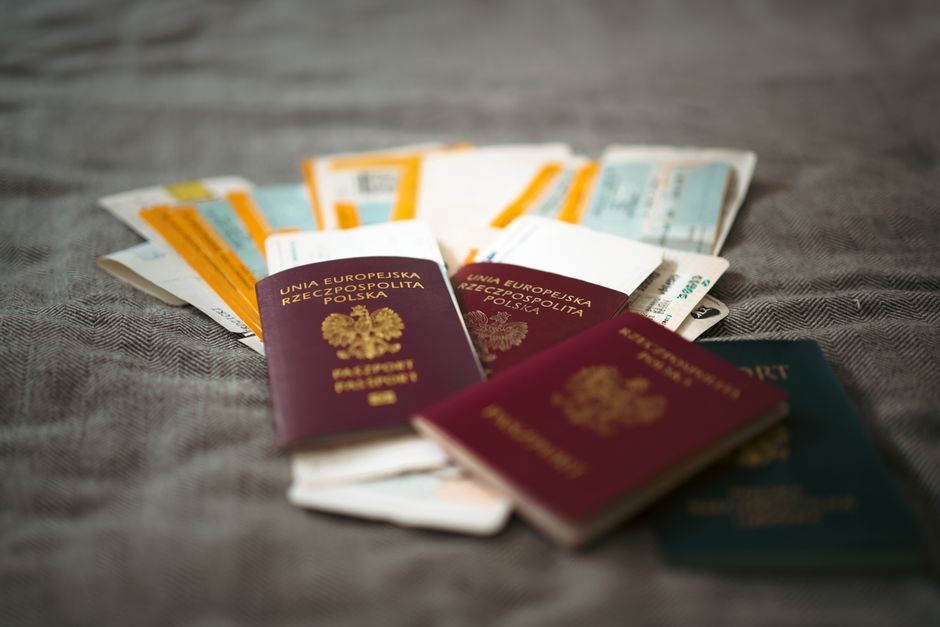
Medical visa for Korea at a glance
- Short answer: Often not needed for short cosmetic visits if you can enter visa-free
- When it may help: Your nationality requires a visa, or treatment needs a long stay
- Visa types: Korea offers medical tourism visa categories; check current types and criteria
- Who decides: Korean immigration authorities, not the clinic
- Clinic support: Treatment confirmation documents where appropriate
- When to ask: Before booking flights, if your stay may exceed visa-free limits
Most patients traveling to Korea for short cosmetic or anti-aging treatment do not need a medical visa, provided their nationality allows visa-free entry and the treatment plus recovery fits within the permitted stay. A medical visa becomes relevant when your nationality requires a visa to enter Korea, or when your treatment plan needs a longer stay than visa-free entry allows. Entry rules change, so always confirm current requirements with the Korean embassy or consulate in your country and the official K-ETA website before you book flights.
What entry options exist?
In general terms, travelers enter Korea in one of three ways: visa-free with a K-ETA, visa-free with a temporary K-ETA exemption, or with a visa issued in advance. Korea also offers visa categories intended for people traveling for medical treatment, including short-term and longer-term options for patients and, in some cases, accompanying family members. The categories, documents and conditions are set by Korean immigration authorities and can change.
When does a medical visa make sense?
A medical visa may be worth considering if you need a visa to visit Korea in any case, if your doctor expects a long treatment course or staged procedures, or if a family member will accompany you for an extended period. For most single-visit treatments, such as fillers or Pico Plus laser, standard entry is usually enough.
How long will I need to stay?
That depends on your treatment. Our FAQ on how long to stay in Seoul gives typical ranges. A custom thread lift or a course of sessions may need more time than a single injectable visit. Leave a margin in case your doctor recommends an extra check before you fly.
Can the clinic support a visa application?
Where your application requires it, ask Violacell whether a treatment confirmation or similar document can be provided. [PLACEHOLDER: visa support documents offered]. The decision to issue a visa rests solely with Korean authorities, so apply well before your planned dates.
What should I do next?
Check your nationality's entry rules, read what the K-ETA is, and start an online consultation through our booking page so you know your likely stay length before applying.
Still have questions?
Ask us directly on KakaoTalk, through Naver TalkTalk or by phone at +82-2-518-9119. Medical questions are answered by a Violacell doctor.
Medical visa FAQ
Can I have cosmetic treatment on a tourist entry?
Many visitors receive cosmetic treatment during a visa-free or tourist visit, and this is common in Seoul. However, entry conditions vary by nationality and change over time, so confirm with the Korean embassy that your planned activities and stay length fit your entry status.
How long does a medical visa take to process?
Processing times vary by country, consulate and season. Apply as early as practical after confirming your treatment plan, and check the expected processing time with the Korean embassy or consulate that handles your application. Avoid booking non-refundable flights until your visa is approved.
Can a family member come with me on a medical visa?
Korean medical visa categories have, in some cases, allowed accompanying family members or caregivers. Eligibility and documents differ, so ask the Korean embassy about current options for companions before you apply. Allow time for any extra documents, such as proof of relationship, that a companion application may require.
What if I need to extend my stay for medical reasons?
If your doctor advises a longer stay, speak to Korean immigration authorities promptly about your options. Ask Violacell whether medical documentation explaining why extra time is needed can be provided. Never overstay your permitted period without approval. Travel insurance with trip-disruption cover can help with extra costs.
Plan your visit to Violacell
3F, 138 Dosan-daero, Gangnam, a 4-minute walk from Sinsa Station Exit 1. Free AI skin analysis, a treatment plan designed by our doctors, and private single-room care. Call +82-2-518-9119 or message us on KakaoTalk.
Educational information only, not a substitute for a medical consultation. Suitability, downtime and results vary between individuals. Medical disclaimer