
Home › FAQ › Safety & Credentials › Surgeon Credentials › What Is Ghost Surgery and How Do We Prevent It?
What Is Ghost Surgery and How Do We Prevent It?
Quick answer: Ghost surgery is when a patient agrees to treatment by one doctor but another person, sometimes less qualified, secretly performs all or part of it. It is illegal and unsafe. Violacell focuses on non-surgical treatments and prevents substitution by naming your doctor, having that doctor design and personally perform your treatment, and opening products in front of you.
Medically reviewed by Dr. Kim Young-jun, Board-Certified Plastic Surgeon, Representative Director, Violacell Plastic Surgery · Last reviewed November 2026
Ghost surgery at a glance
- Short answer: Secret substitution of the doctor you agreed to
- Why it matters: Violates informed consent and can put patients at serious risk
- Where it happens: Mainly reported in surgery under general anesthesia or sedation
- Korean safeguard: Law requiring CCTV in operating rooms for certain surgery, with recording at patient request
- Violacell safeguards: Named doctor, doctor designs and personally performs your treatment, product opened in front of you
- Certificate: Genuine, full-dose certificate issued after every treatment
- When to ask: Before paying a deposit for any treatment
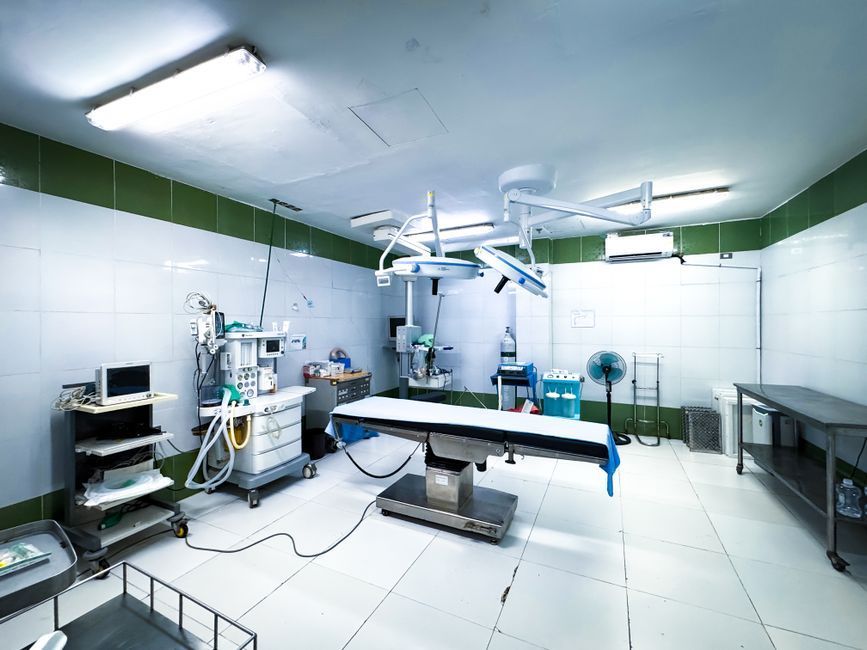
Ghost surgery is when a patient consents to surgery by a specific surgeon, but a different person secretly performs all or part of the operation while the patient is sedated or under general anesthesia. It is illegal, it violates informed consent, and it can put patients at serious risk. Violacell does not perform surgery; it focuses on non-surgical anti-aging, and the same principle applies: the doctor you agree to is the doctor who treats you.
Why is ghost surgery dangerous?
The substitute may have less training or experience, may be unfamiliar with your plan, and may not be accountable for your aftercare. Complications are more likely to be poorly managed when the person operating is not the one responsible for you. Even when no harm results, the patient's right to choose who operates has been violated.
Has ghost surgery been an issue in Korea?
Ghost surgery has been reported in Korea and in other countries, and high-profile cases led to public debate and legal reforms. Korea amended its Medical Service Act to require CCTV in operating rooms for surgery performed under general anesthesia or other unconscious states, with recording available at the patient's request, under conditions set by law. Check current rules, as regulations can change.
How does Violacell prevent doctor substitution?
Your doctor is named before treatment: Dr. Kim Young-jun or Dr. Lee Wang-seok, who are plastic surgeons, or Dr. Choi Sang-seok, who focuses on lasers, skin and body. You meet that doctor in a private room in Gangnam, they design your treatment, and they personally perform it, checking the result as they go. Products are opened in front of you and a genuine, full-dose certificate is issued afterward. Read our safety standards for more.
How can I protect myself at any clinic?
Ask for your doctor's full name and specialist qualification, confirm it independently using steps in how to verify a Korean surgeon, and ask how many patients your doctor treats in a day. Be cautious of clinics with very high patient volumes and few doctors, or those that will not answer in writing.
What should I ask about the treatment team?
Ask who provides any sedation, which staff will assist, and whether any other doctor will take part. See who performs my procedure? and is anesthesia safe?
Where do I start?
Meet Violacell's doctors through an online consultation before travel.
Still have questions?
Ask us directly on KakaoTalk, through Naver TalkTalk or by phone at +82-2-518-9119. Medical questions are answered by a Violacell doctor.
Ghost Surgery FAQ
Is ghost surgery illegal in Korea?
Yes. Performing surgery on a patient who consented to a different surgeon violates Korean medical law and patient consent principles. Penalties can apply to those involved. Legal reforms, including operating room CCTV requirements, were introduced partly to deter this practice and give patients more protection.
Can I ask for CCTV recording of a procedure?
Korean law requires CCTV in operating rooms for certain surgery under general anesthesia or sedation, and patients can request recording under conditions set by law. Access to recordings is restricted. Violacell does not perform surgery under general anesthesia; if you are considering surgery elsewhere, ask that clinic how it applies these rules, and check current regulations, as details may change.
How do I know my doctor actually treated me?
Meeting your doctor before treatment, having them design and perform it while you are awake or lightly sedated, and seeing the product opened in front of you all help. Ask your doctor to explain what they did. A transparent doctor will be happy to discuss your treatment in detail.
Is it ghost surgery if a resident or assistant helps?
Assistance by disclosed team members, such as nurses or an assisting doctor performing defined tasks, is normal in surgery when it is explained in advance. Ghost surgery refers to undisclosed substitution of the operating doctor. Ask who will be in the operating room and what each person does.
Plan your visit to Violacell
3F, 138 Dosan-daero, Gangnam, a 4-minute walk from Sinsa Station Exit 1. Free AI skin analysis, a treatment plan designed by our doctors, and private single-room care. Call +82-2-518-9119 or message us on KakaoTalk.
Educational information only, not a substitute for a medical consultation. Suitability, downtime and results vary between individuals. Medical disclaimer