
Home › Conditions › Skin Quality › Tone & Redness › Dehydrated Skin
Dehydrated Skin Treatment in Gangnam, Seoul
Quick answer: Dehydrated skin lacks water rather than oil, so it can affect any skin type, including oily skin. It feels tight, looks dull and shows fine crisscross lines. Causes include a weakened skin barrier, dry or air-conditioned environments, flights, harsh skincare and aging. Hyaluronic acid skin boosters, barrier-repair skincare and humidity control usually improve it quickly with little downtime.
Medically reviewed by Dr. Kim Young-jun, Board-Certified Plastic Surgeon, Representative Director, Violacell Plastic Surgery · Last reviewed November 2026
Dehydrated skin at a glance
- Common causes: Damaged skin barrier, dry air, flights, harsh cleansers, over-exfoliation, alcohol, caffeine and aging
- Who it affects: Any skin type, including oily and acne-prone skin; common in frequent travelers
- Best-matched treatments: Violacell skin booster, SkinVive, Rejuran Healer, Olacell injection
- Non-surgical options: Hyaluronic acid boosters, polynucleotide boosters, barrier repair skincare and lifestyle changes
- Surgical options: Not applicable
- Typical downtime: Usually one to two days of small bumps after booster injections
- Assessed by: A Violacell doctor
What is dehydrated skin?
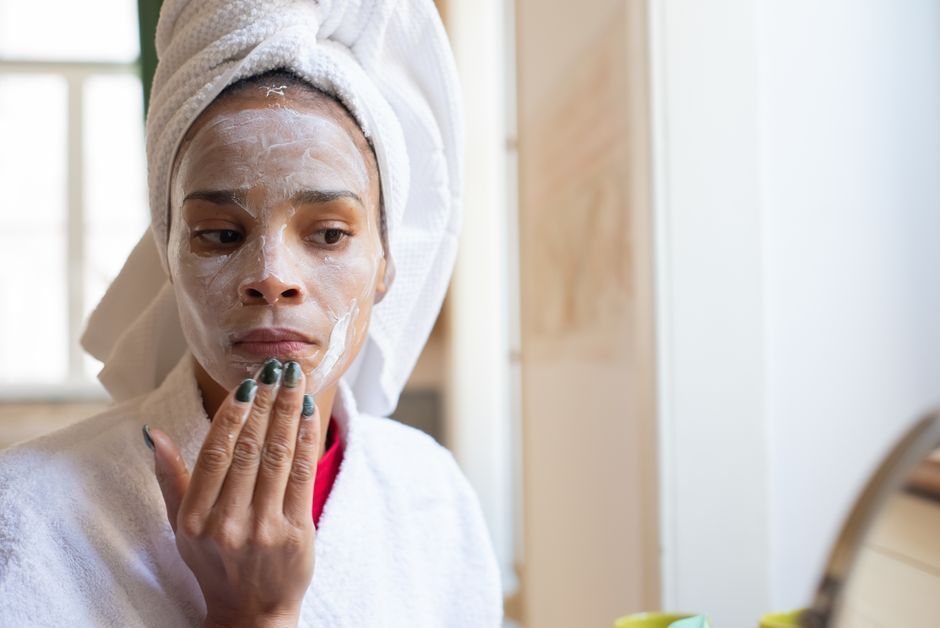
Dehydrated skin is skin that lacks water. It feels tight, especially after cleansing, looks dull and may show fine, crisscross lines that appear when you gently pinch the skin. Makeup can look patchy, and skin may feel both oily and tight at the same time.
Dehydration is different from dry skin. Dry skin is a skin type that produces less oil, while dehydration is a temporary condition that can affect any skin type, including oily and acne-prone skin.
What causes dehydrated skin?
The skin barrier, the outermost layer, holds water in. When it is damaged, water escapes more quickly, a process called transepidermal water loss. Harsh cleansers, over-exfoliation, strong acids and retinoids used without enough moisture can all weaken the barrier.
Environment plays a big role. Dry climates, cold winters, air conditioning, heating and especially long-haul flights pull moisture from the skin. Alcohol, caffeine, not drinking enough water and aging, which reduces natural hyaluronic acid, also contribute.
Who is affected?
Anyone can have dehydrated skin. It is very common among frequent travelers, office workers in air-conditioned buildings and people living in dry or cold climates. Patients with oily skin often over-cleanse to control shine, which can leave them both oily and dehydrated. Acne treatments that dry the skin, such as benzoyl peroxide or retinoids, can also contribute if not balanced with a moisturizer. Visitors arriving in Seoul in winter often notice their skin becoming tight within days, because the air is very cold and dry. Dehydration often appears together with dull skin and can worsen redness.
How is dehydrated skin assessed?
A Violacell doctor examines your skin for tightness, fine dehydration lines, flaking, redness and oiliness, and asks about your routine, environment and travel habits. Clinics may use skin analysis tools to estimate hydration, but a careful examination and history are usually most informative.
We look for signs of a damaged barrier, such as stinging or burning with products, because repairing the barrier is the foundation of lasting improvement.
How is dehydrated skin treated?
Injectable skin boosters deliver hydration directly into the skin. The Violacell skin booster is a custom blend chosen after diagnosis, drawing on hydration boosters such as Hilo Wave, Rejuran, SkinVive and Hyalie. SkinVive uses microdroplets of hyaluronic acid to improve smoothness and glow, and Rejuran Healer supports repair of a weakened barrier.
For barrier support, polynucleotide boosters such as Rejuran Healer may help skin repair. At home, a gentle cleanser, a moisturizer with ceramides and humectants, daily sunscreen and a humidifier can make a substantial difference.
Risks and side effects
Booster injections may cause small bumps, redness, swelling or bruising, usually settling within one to two days. Rarely, lumps, infection or allergic reactions can occur. Using too many active skincare ingredients at once can worsen dehydration, so simplifying your routine is often part of the plan. Your doctor will tell you which products to pause after treatment.
What results can I expect?
Many patients notice skin feeling more comfortable and looking plumper and brighter within a week or two of a booster. Results build over a series of two or three sessions and are maintained with periodic top-ups. Barrier-friendly skincare and daily habits help preserve results between treatments.
Small habits help more than many people expect: drinking water regularly, using a humidifier at night, rinsing with lukewarm rather than hot water and applying moisturizer to damp skin.
Planning hydration treatments in Seoul
Boosters suit short trips, and many patients schedule them after arriving to counter the drying effect of the flight. Use a rich moisturizer and drink water on the journey home. See our patient journey and what skincare after laser? for aftercare tips.
Which treatment fits this concern?
Every visit to Violacell starts with a free AI skin analysis. A Violacell doctor then designs a non-surgical plan for your face, with honest expectations.
Dehydrated skin FAQ
What is the difference between dry and dehydrated skin?
Dry skin is a skin type that produces less oil and tends to feel rough or flaky. Dehydrated skin lacks water and can affect any skin type, including oily skin. Dehydration is usually temporary and improves with barrier care, hydration and, if desired, skin boosters.
Can oily skin be dehydrated?
Yes. Oily skin can lack water, especially if it is over-cleansed or treated with harsh products. It may feel tight and look shiny at the same time. Gentle cleansing, lightweight hydrating moisturizers and barrier support often reduce both dehydration and excess oil.
Do skin boosters help dehydrated skin?
Yes. Hydrating boosters such as SkinVive or a custom Violacell skin booster deliver hydration directly into the skin, often improving comfort, plumpness and glow within a few weeks. Results typically last several months and are maintained with periodic sessions, usually combined with barrier-friendly skincare. Results vary between individuals.
Does drinking water fix dehydrated skin?
Staying hydrated supports overall health, but drinking water alone rarely fixes dehydrated skin. Repairing the skin barrier with gentle products, using moisturizers and controlling environmental factors such as dry air usually make a bigger difference to how your skin feels.
Plan your visit to Violacell
3F, 138 Dosan-daero, Gangnam, a 4-minute walk from Sinsa Station Exit 1. Free AI skin analysis, a treatment plan designed by our doctors, and private single-room care. Call +82-2-518-9119 or message us on KakaoTalk.
Educational information only, not a substitute for a medical consultation. Suitability, downtime and results vary between individuals. Medical disclaimer