
Home › Conditions › Face › Wrinkles & Lines › Forehead Wrinkles
Forehead Wrinkles Treatment in Gangnam, Seoul
Quick answer: Forehead wrinkles are horizontal lines caused by repeatedly raising the eyebrows with the frontalis muscle, combined with thinning skin and sun damage. Mild to moderate lines usually soften well with botulinum toxin, which typically takes effect within one to two weeks with no downtime. Deeper static lines may also need skin boosters, RF microneedling or a forehead thread lift.
Medically reviewed by Dr. Kim Young-jun, Board-Certified Plastic Surgeon, Representative Director, Violacell Plastic Surgery · Last reviewed November 2026
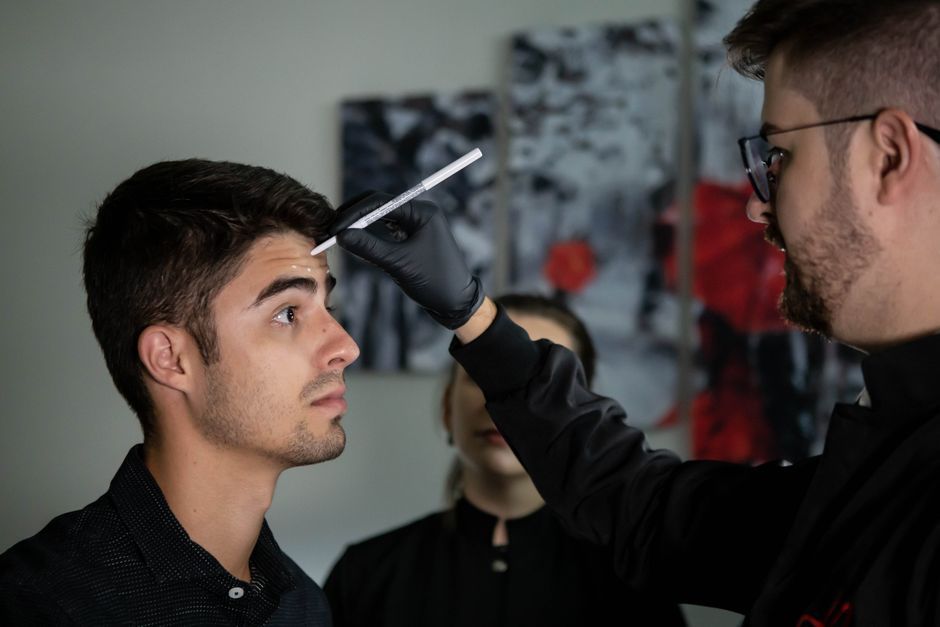
Forehead wrinkles at a glance
- Common causes: Repeated brow raising, collagen loss, sun damage and, in some people, compensating for heavy eyelids
- Who it affects: Adults of all backgrounds, often noticeable from the late 20s or 30s
- Best-matched treatments: Botox for forehead lines, skin Botox, Rejuran Healer, Virtue RF, forehead thread lift
- Non-surgical options: Botulinum toxin, skin boosters, RF microneedling and thread lifting
- Surgical options: A brow lift may suit a markedly low brow; not offered at Violacell, and the doctors will advise honestly
- Typical downtime: None for toxin; a few days of redness after lasers
What are forehead wrinkles?
Forehead wrinkles are the horizontal lines that run across the forehead, most visible when you raise your eyebrows. They are among the first expression lines many people notice, often in the late 20s or early 30s. At first they appear only with movement. Over time, as the skin loses collagen and elasticity, they can remain visible when the face is relaxed.
What causes forehead lines?
The frontalis muscle is the only muscle that lifts the eyebrows. Each time it contracts, the skin above it folds horizontally. Thousands of repetitions, combined with sun exposure and natural collagen decline, gradually etch the folds into the skin.
An important and often overlooked cause is compensation. People with heavy or hooded eyelids or a low brow often raise their brows unconsciously all day to clear their vision. This constant effort deepens forehead lines, and treating the lines alone can make the eyelids feel heavier.
How are forehead wrinkles assessed?
At Violacell in Gangnam, a doctor examines your forehead at rest and in motion, checks brow position and eyelid heaviness, and notes whether the lines are dynamic or static. We also look at forehead shape, since a flat or hollow forehead can make lines more prominent. This determines whether toxin alone is appropriate or whether skin-quality treatments, filler or a thread lift should be considered.
Which treatments work best for forehead wrinkles?
Botulinum toxin
Botox for forehead lines relaxes the frontalis muscle so it folds the skin less. Doses are carefully balanced: too much can flatten expression or lower the brows. It is often combined with treatment of frown lines so the upper face stays balanced.
Skin boosters and micro-toxin
For fine, crepey lines, skin Botox placed superficially and regenerative boosters such as Rejuran Healer improve texture and hydration without freezing expression.
RF microneedling
Static lines that remain at rest often benefit from Virtue RF microneedling or a regenerative booster, which stimulate new collagen over several sessions.
Thread lifting and when surgery may suit better
When a mildly low brow contributes to the lines, a forehead thread lift can give modest support without incisions. If the brow is markedly low, a surgical brow lift may be more effective; Violacell does not perform it, and the doctors will advise you honestly.
Risks and side effects
Botulinum toxin can cause temporary bruising, headache or, uncommonly, brow or eyelid heaviness if it spreads or is placed too low. These effects are usually temporary as the toxin wears off. RF microneedling carries a risk of redness, temporary darkening of pigment and, rarely, scarring. Threads can cause bruising, dimpling or asymmetry, which your doctor will discuss in detail.
What results can I expect?
Toxin typically begins working within a few days, with the full effect at around two weeks, and lasts roughly three to four months. Dynamic lines usually soften markedly. Deeply etched static lines may improve gradually over several treatments rather than disappear. See our FAQ on how long Botox lasts.
How can I prevent forehead lines from deepening?
Daily broad-spectrum sunscreen is the single most useful habit, because ultraviolet light breaks down the collagen that keeps the forehead smooth. A retinoid or retinol at night, good hydration and not smoking also help. If you notice yourself raising your brows to see clearly, mention it at consultation, since addressing heavy eyelids can reduce the strain that creates the lines in the first place. Regular, moderate toxin treatment can also slow the etching of static lines over time.
Planning treatment from abroad
Forehead toxin takes only minutes and has no downtime, so it fits easily into a short visit to Seoul. We generally suggest staying long enough for a two-week review if possible, or arranging remote follow-up. Our patient journey explains how this works.
Which treatment fits this concern?
Every visit to Violacell starts with a free AI skin analysis. A Violacell doctor then designs a non-surgical plan for your face, with honest expectations.
Forehead wrinkles FAQ
How much Botox is needed for forehead lines?
The dose varies with muscle strength, forehead height and brow position, so there is no single number. Your doctor uses enough to soften lines while keeping natural movement and brow height. Too much can make the brows feel heavy, which is why conservative, individually planned dosing is preferred, especially for a first treatment.
Why do my eyebrows feel heavy after forehead Botox?
The frontalis muscle lifts the brows, so relaxing it can lower them slightly. This is more likely in people who rely on brow raising to compensate for heavy eyelids. It is usually temporary and fades as the toxin wears off. Careful assessment and dosing beforehand help reduce the risk.
Can deep forehead lines be removed without surgery?
Deep lines often improve significantly with a combination of toxin, skin boosters and RF microneedling over several months, although they may not disappear completely. If a low brow is causing the lines, a forehead thread lift may help, and a surgical brow lift may suit marked cases. Your doctor will explain the realistic outcome.
Can forehead filler help wrinkles?
Filler is sometimes used in small amounts for a static line that remains after toxin, or to reshape a flat forehead. The forehead has important blood vessels, so filler here should only be performed by an experienced doctor using careful technique. Toxin and skin quality treatments are usually tried first.
Is forehead Botox safe before flying home?
Yes. There is no wound and flying does not affect the result. Most people can fly the same or next day. Avoid rubbing the area or lying flat for a few hours after treatment, and follow the aftercare guidance you are given.
Plan your visit to Violacell
3F, 138 Dosan-daero, Gangnam, a 4-minute walk from Sinsa Station Exit 1. Free AI skin analysis, a treatment plan designed by our doctors, and private single-room care. Call +82-2-518-9119 or message us on KakaoTalk.
Educational information only, not a substitute for a medical consultation. Suitability, downtime and results vary between individuals. Medical disclaimer