
Home › Conditions › Face › Volume Loss › Hollow Cheeks
Hollow Cheeks Treatment in Gangnam, Seoul
Quick answer: Hollow cheeks are sunken areas below the cheekbones caused by loss of facial fat, bone changes and thinning skin. They can make the face look gaunt, older or unwell. Treatment usually involves restoring volume with design filler or collagen biostimulators such as Sculptra or Radiesse. Injectables have little downtime, and results typically range from months to around two years.
Medically reviewed by Dr. Kim Young-jun, Board-Certified Plastic Surgeon, Representative Director, Violacell Plastic Surgery · Last reviewed November 2026
Hollow cheeks at a glance
- Common causes: Loss of deep cheek fat, bone resorption, weight loss, intense exercise, genetics and aging skin
- Who it affects: Adults with naturally slim faces, endurance athletes, people after weight loss, and many from their 40s onward
- Best-matched treatments: Design filler, Sculptra, Radiesse, Juvelook
- Non-surgical options: Hyaluronic acid filler and collagen biostimulators
- Surgical options: Fat grafting for very large volume needs; not offered at Violacell, and the doctors will advise honestly
- Typical downtime: A few days of possible swelling after injectables
What are hollow cheeks?
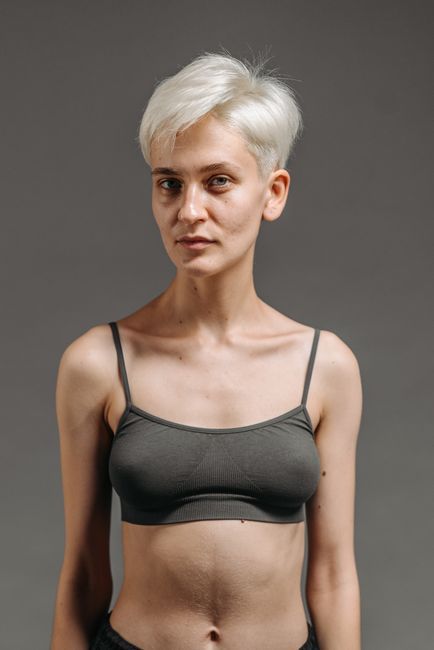
Hollow cheeks are concave or sunken areas in the middle of the face, usually just below the cheekbones. A degree of definition here is often considered attractive, but when hollowing becomes pronounced it can make the face look gaunt, tired, older or even unwell. Many patients notice it most in overhead lighting, in photographs, or after a period of weight loss or intense training.
What causes hollow cheeks?
The cheeks are supported by several fat compartments, including the deep medial cheek fat and the buccal fat pad. With age these compartments shrink, and the bones of the midface gradually resorb, removing scaffolding beneath the soft tissue. The skin also thins and loses collagen, so the hollows look deeper.
Other contributors include significant weight loss, endurance sports such as long-distance running or cycling, genetics and smoking. Some people naturally have a narrow, angular face with little cheek fat from a young age. Previous buccal fat removal can also lead to hollowing as the face ages.
How are hollow cheeks assessed?
At Violacell in Gangnam, a Violacell doctor examines your face from the front, sides and above, under varied lighting, to map exactly where volume is missing. We assess cheekbone projection, skin thickness and the relationship between the cheek, the under-eye area and the lower face. We also distinguish true hollowing from sagging cheeks, where tissue has descended rather than disappeared, because the treatments differ.
Which treatments work for hollow cheeks?
Hyaluronic acid filler
Dermal fillers give immediate, controllable volume. Filler is placed in layers to rebuild the cheek's natural curve, often starting deep along the bone for support and adding softer product closer to the surface where needed. It can be dissolved if necessary.
Collagen biostimulators
Sculptra(poly-L-lactic acid) and Radiesse(calcium hydroxylapatite) stimulate your body to produce new collagen. Sculptra is particularly well suited to broad hollowing because it builds volume gradually and diffusely over a course of two or three sessions. Radiesse adds some immediate structure as well.
Design filler
Violacell's design filler plans the cheeks as part of the whole face, deciding where to fill, where not to fill and in what order, and divides the total volume into small amounts injected in sequence. For hollows under prominent cheekbones this helps avoid an overfilled look. A surgical fat transfer is an alternative for very large volume needs; Violacell does not perform it, and the doctors will advise honestly if it may suit you.
Risks and side effects
Injectable treatments commonly cause swelling, bruising and tenderness for a few days. Less commonly, filler can cause lumps or migrate, and rarely it can block a blood vessel, which requires immediate treatment. Sculptra can form small nodules if not placed and massaged correctly. Your doctor will explain these risks before treatment.
What results can I expect?
Filler gives an immediate result that usually lasts around twelve to eighteen months in the cheeks. Sculptra builds over several months and often lasts around two years. In all cases, the goal is a healthy, rested face rather than obviously enhanced cheeks. Results vary between individuals.
How much volume is the right amount?
Restoring hollow cheeks is about balance. Overfilled cheeks can look puffy and unnatural, and can make the eyes appear smaller. Our doctors use conservative amounts, assess the result once swelling settles, and add more only if needed. Many patients find that a modest restoration makes them look healthier and less tired without anyone noticing a specific change.
Planning treatment from abroad
Filler fits into a short visit to Seoul, and you can usually fly within a day or two. Sculptra requires a series of sessions spaced several weeks apart, which some international patients complete across repeat visits. See when can I fly after fillers? and our patient journey.
Which treatment fits this concern?
Every visit to Violacell starts with a free AI skin analysis. A Violacell doctor then designs a non-surgical plan for your face, with honest expectations.
Hollow cheeks FAQ
What is the best filler for hollow cheeks?
A hyaluronic acid filler designed for deep volume and lift is commonly used for cheek hollowing, sometimes combined with a softer product. For broad, diffuse hollowing, collagen biostimulators like Sculptra are often a good alternative. Your doctor will recommend a product based on your skin thickness and goals.
How many Sculptra sessions do I need for hollow cheeks?
Most patients need two to three sessions, spaced around four to six weeks apart, to build gradual volume. People with more significant hollowing may need more. Results develop over several months and typically last around two years after a full course.
Can hollow cheeks be fixed permanently?
No treatment is truly permanent, because the face continues to age. Biostimulators often last around two years, and filler typically lasts one to one and a half years. Results vary between individuals, and maintenance keeps the result consistent over time.
Will cheek filler look natural?
It should when planned carefully. Our doctors restore volume where it has been lost, use conservative amounts and review the result before adding more. The aim is for people to notice that you look rested and healthy rather than that you have had treatment.
Plan your visit to Violacell
3F, 138 Dosan-daero, Gangnam, a 4-minute walk from Sinsa Station Exit 1. Free AI skin analysis, a treatment plan designed by our doctors, and private single-room care. Call +82-2-518-9119 or message us on KakaoTalk.
Educational information only, not a substitute for a medical consultation. Suitability, downtime and results vary between individuals. Medical disclaimer